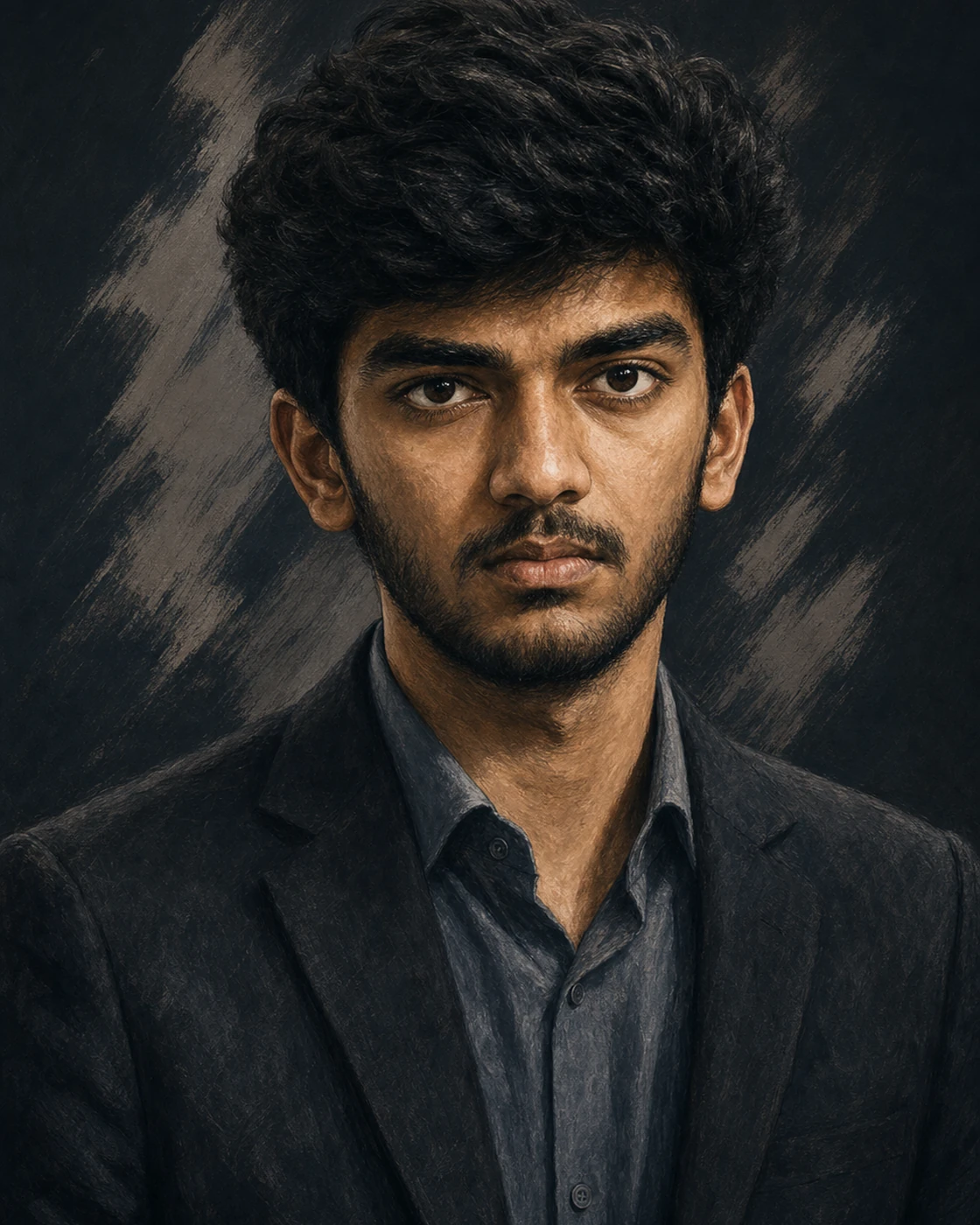
Gukesh Dommaraju
Resilience
Calm at the most important moment
The key lesson
In a difficult position, reduce the number of problems: find the biggest threat, secure the weakest piece and only then look for activity.
The bot is a fictional character inspired by the idea of the play, not a digital copy of the master.
Play the idea
Find the master's move
Stay calm in the endgame. Take the direct opposition.
Select a pawn or piece, then the destination square.
Short answer
Who is Gukesh Dommaraju?
Gukesh Dommaraju is an Indian grandmaster, winner of the 2024 Candidates Tournament and the eighteenth world champion. In December 2024 he beat Ding Liren, becoming the youngest undisputed world champion in history. His road to the title stood out for maturity, resilience after defeats and calm in the most important games.
How does Gukesh Dommaraju play?
Gukesh combines careful preparation with a readiness for a long fight. He does not have to decide the game in the opening; he can keep the tension, improve his position and wait for the moment when the opponent chooses a wrong exchange or places a piece passively. His reaction to setbacks is especially instructive: instead of speeding up for no reason, he returns to the process, compares candidate moves and saves his energy for the final phase of the tournament.
What can you learn from the games of Gukesh Dommaraju?
- After a loss, write down one cause and one adjustment to your process. The next game is not the place for a frantic attempt to win the score back.
- In an equal endgame, leave the decisions to your opponent. Safe pressure can be more effective than a premature breakthrough.
- Before trading major pieces, calculate the pawn endgame to the point where both sides' plans become clear.
Why is Gukesh Dommaraju important in chess history?
Gukesh's title confirmed the strength of a new generation of Indian chess and the importance of systematic work from junior age. His achievement is not only an age record. It shows that tournament resilience, the ability to work with a team and keeping the quality of decisions under pressure are as important as tactical talent.
Next
Rivals and contemporaries

Next master
Sources and scope
Biographical facts were checked against: FIDE. The description of the style, the training tips and the exercise are Szachmaty's own educational work. They are not a copy of a book or a record of the master's statements. See also how we make the project.
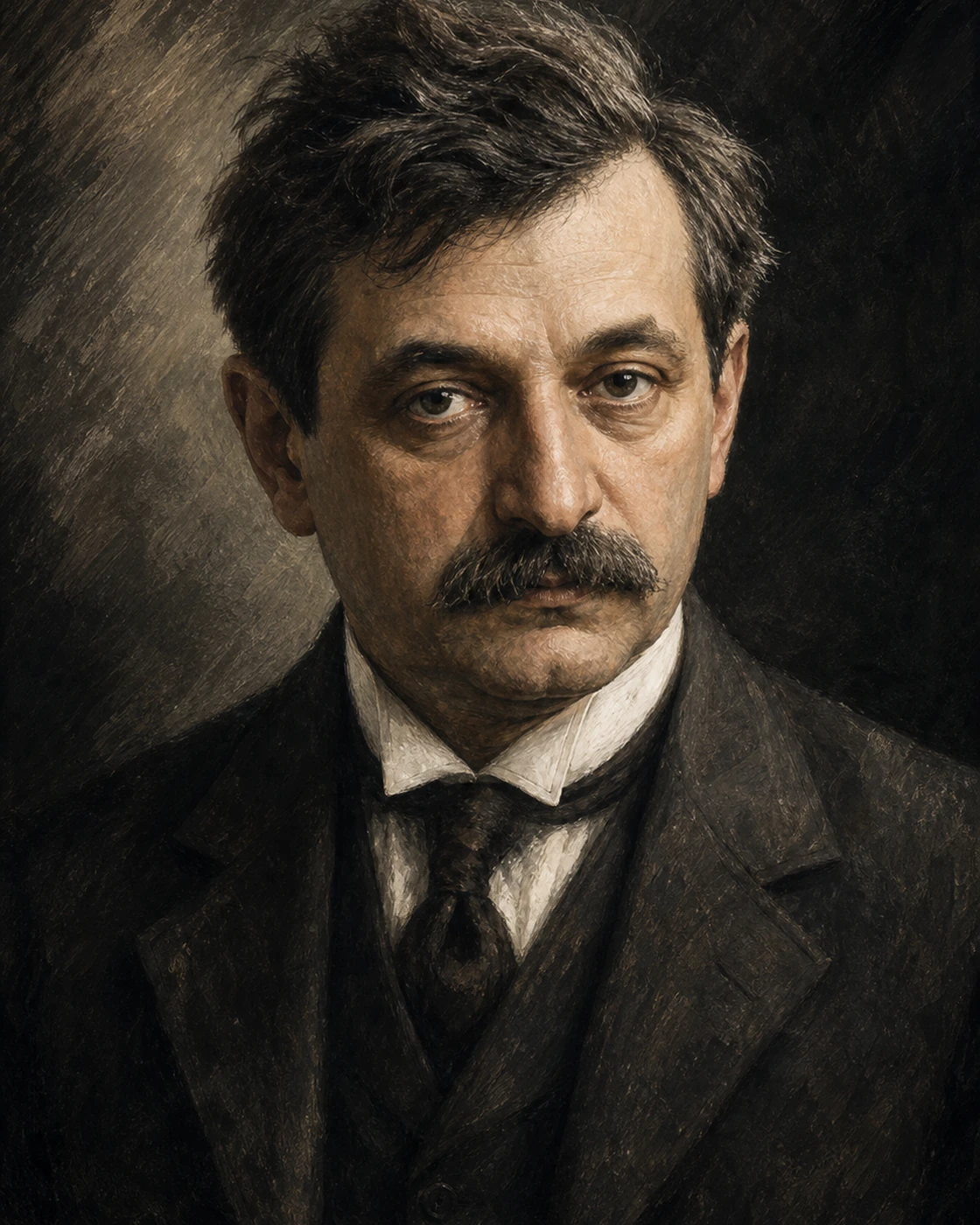
The portrait is a labeled illustration and does not suggest cooperation with or authorization by this person. Last updated: .