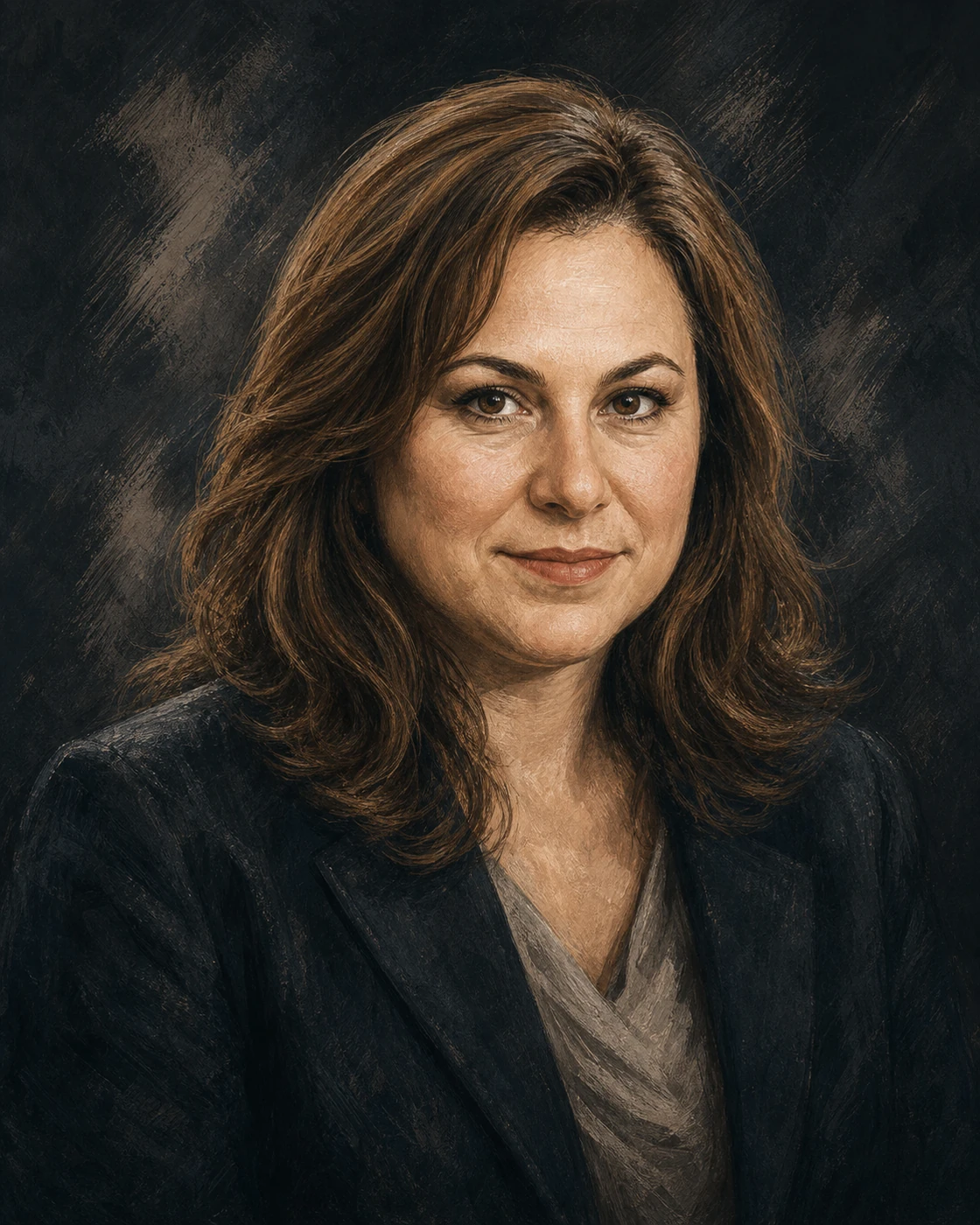
Judit Polgár
Active play
Courage without limits
The key lesson
Do not judge a plan by whether it looks safe. Judge it by the activity of your pieces and the opponent's concrete replies.
The bot is a fictional character inspired by the idea of the play, not a digital copy of the master.
Play the idea
Find the master's move
Play actively: find the move that gives a double check.
Select a pawn or piece, then the destination square.
Short answer
Who is Judit Polgár?
Judit Polgár is a Hungarian grandmaster regarded as the strongest woman chess player in history. She earned the grandmaster title at the age of 15, breaking Bobby Fischer's record of the time, and in 2005 she was ranked eighth on the world rating list. She competed in open elite tournaments and beat many world champions.
How does Judit Polgár play?
Polgár played actively and gladly chose positions with initiative, an attack on the king and concrete tactical possibilities. Her calm at the board contrasted with the energy of her moves. In her best games a sacrifice is not the goal but a tool for opening a file or switching off an important defender. For a student the key is the readiness of all the pieces: an attack begins with development and control of the center, not with pushing pawns in front of your own king.
What can you learn from the games of Judit Polgár?
- Before an attack, mark the route of each piece to the king's zone. A piece with no entry does not increase your real advantage.
- When you see a spectacular sacrifice, first find the rival's most resilient reply and evaluate the position after the exchanges.
- Do not divide moves into "women's" and "men's" styles. Judge activity, king safety and concrete variations.
Why is Judit Polgár important in chess history?
Polgár permanently changed the boundaries of what the chess world considered possible for women. Her results in the open elite were a sporting argument, not a declaration. After the end of her regular career she has developed chess education. For further generations she remains a model of courage, preparation and choosing to compete at the highest available level.
Next
Rivals and contemporaries
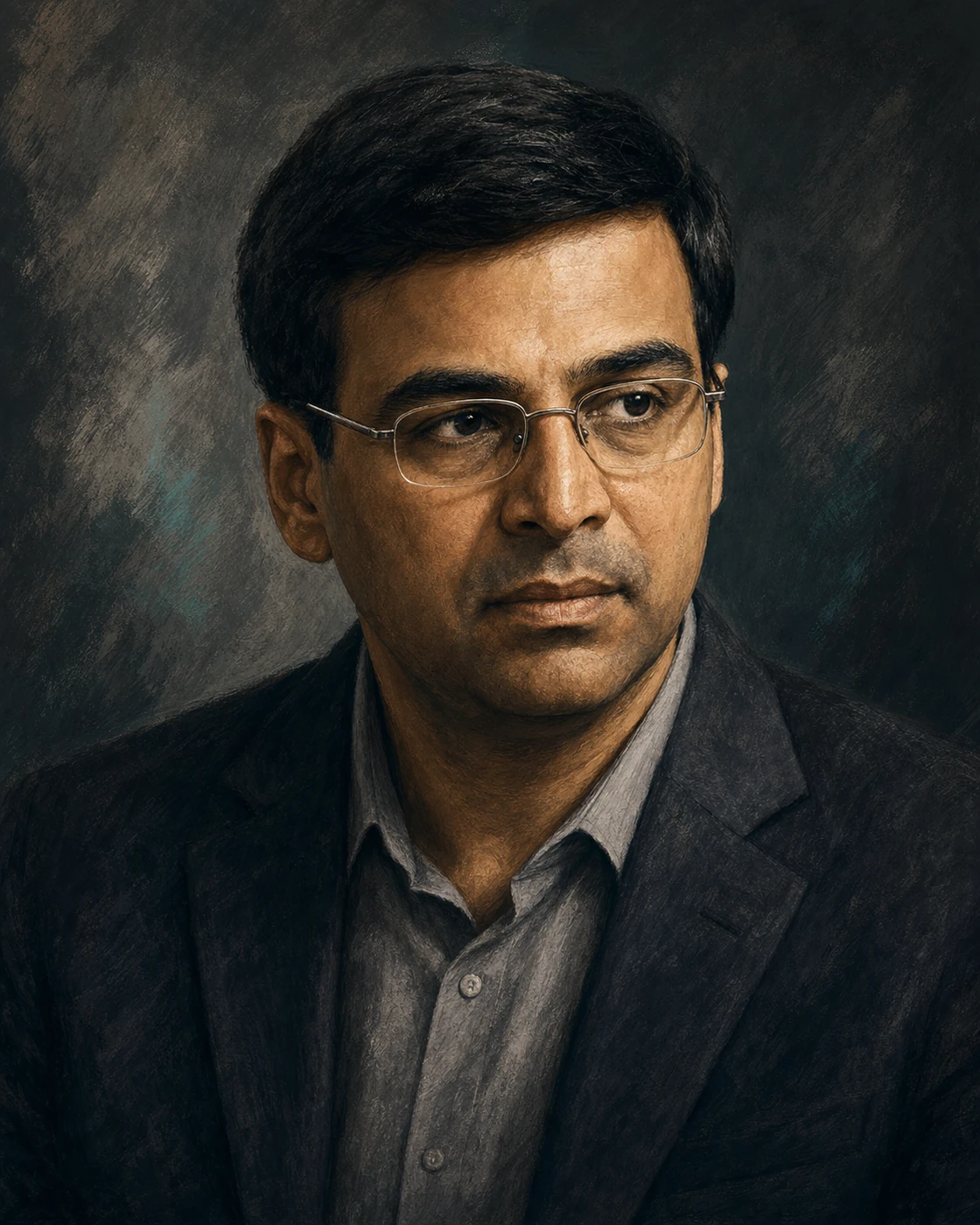
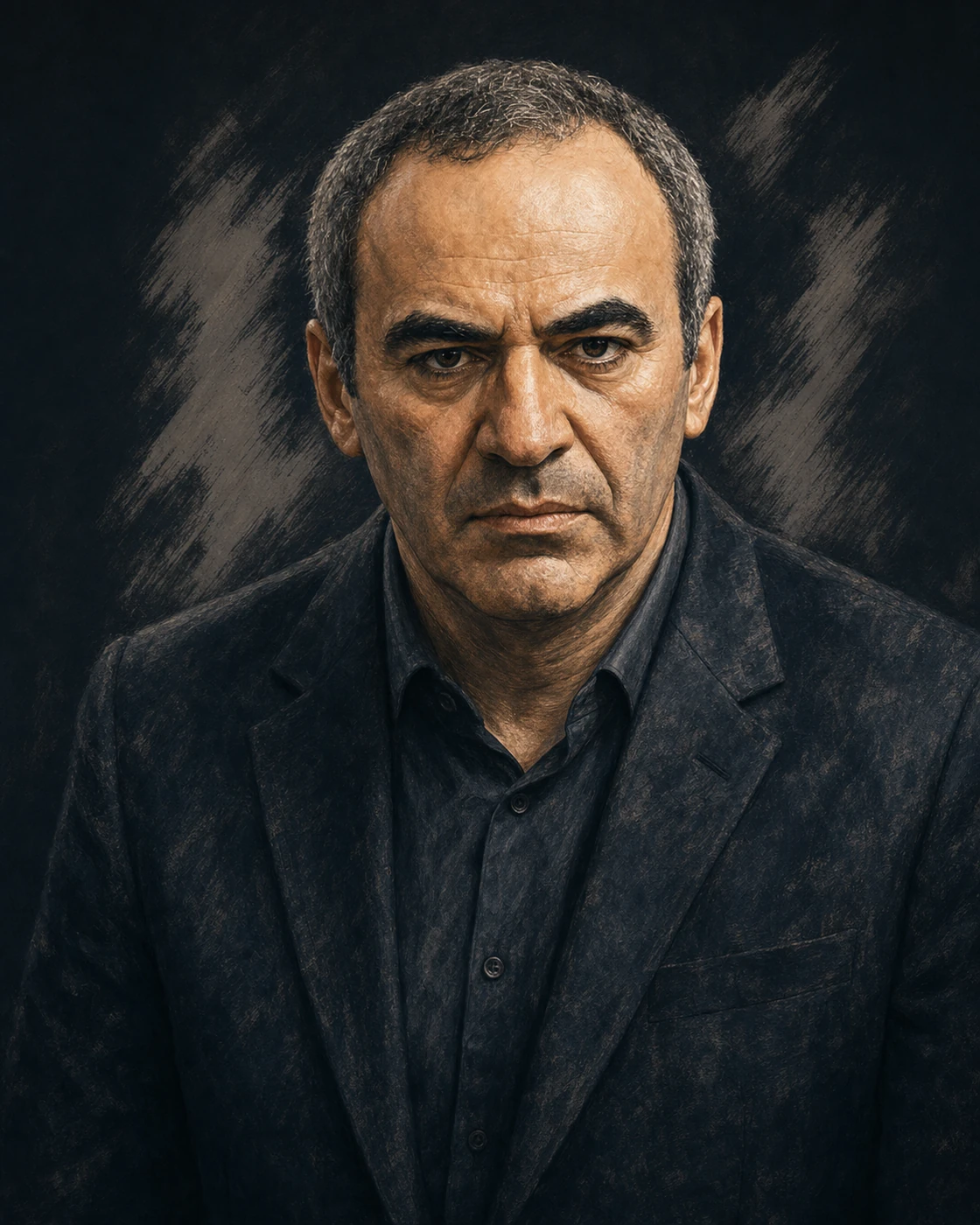
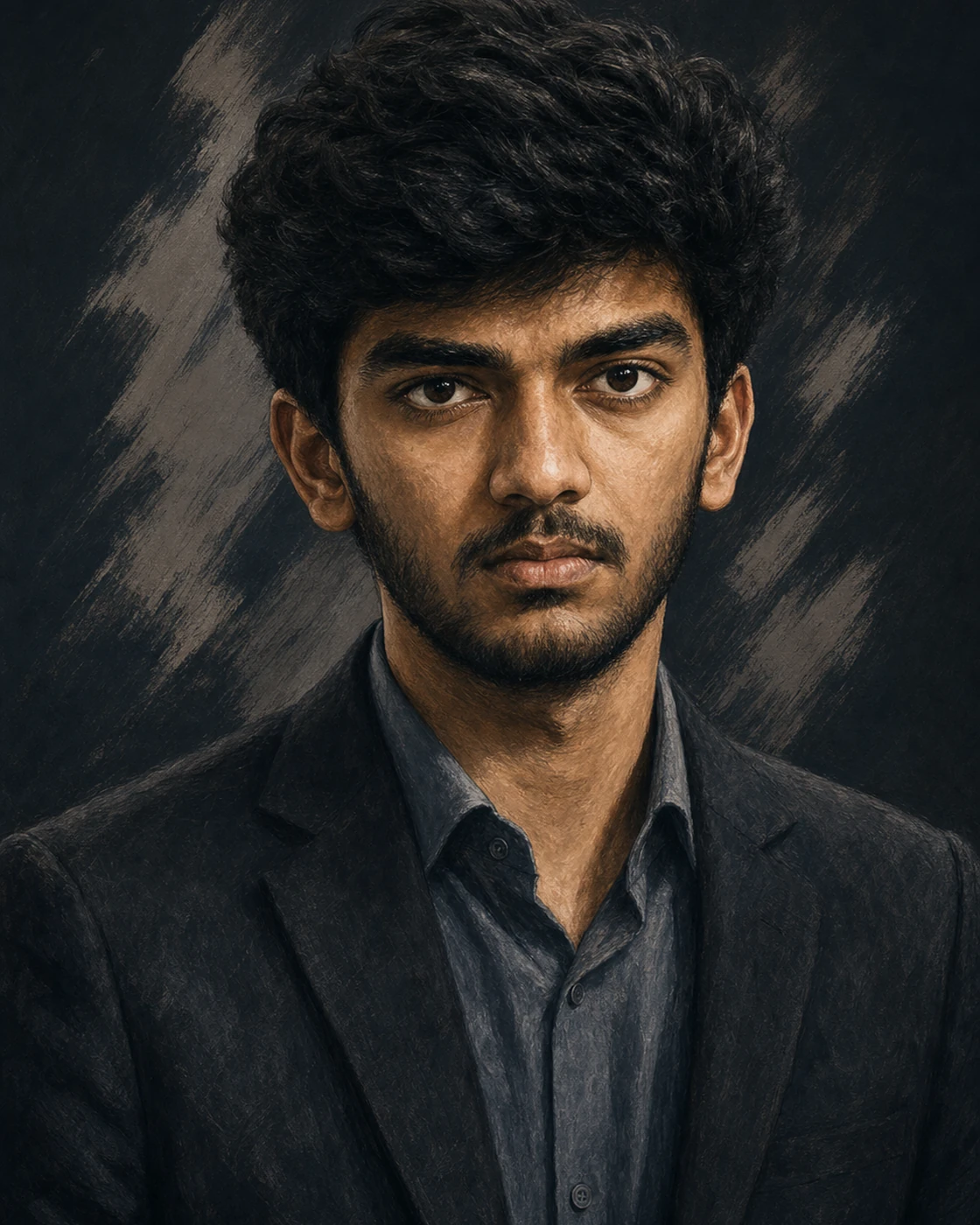
Next master
Sources and scope
Biographical facts were checked against: World Chess Hall of Fame. The description of the style, the training tips and the exercise are Szachmaty's own educational work. They are not a copy of a book or a record of the master's statements. See also how we make the project.
The portrait is a labeled illustration and does not suggest cooperation with or authorization by this person. Last updated: .